5 Construction Injuries You Can Prevent Right Now
Construction sites are among the most hazardous work environments. According to WorkSafeBC, the construction industry consistently reports some of the highest rates of workplace injuries in British Columbia. Understanding these common injuries and implementing prevention strategies can protect your workforce and ensure compliance.
1. Falls from Height
Falls are the top cause of construction deaths. Workers fall from ladders, scaffolding, roofs, and platforms. Even short falls cause serious harm. Broken bones, head injuries, and spine damage are common.
How to Prevent Falls
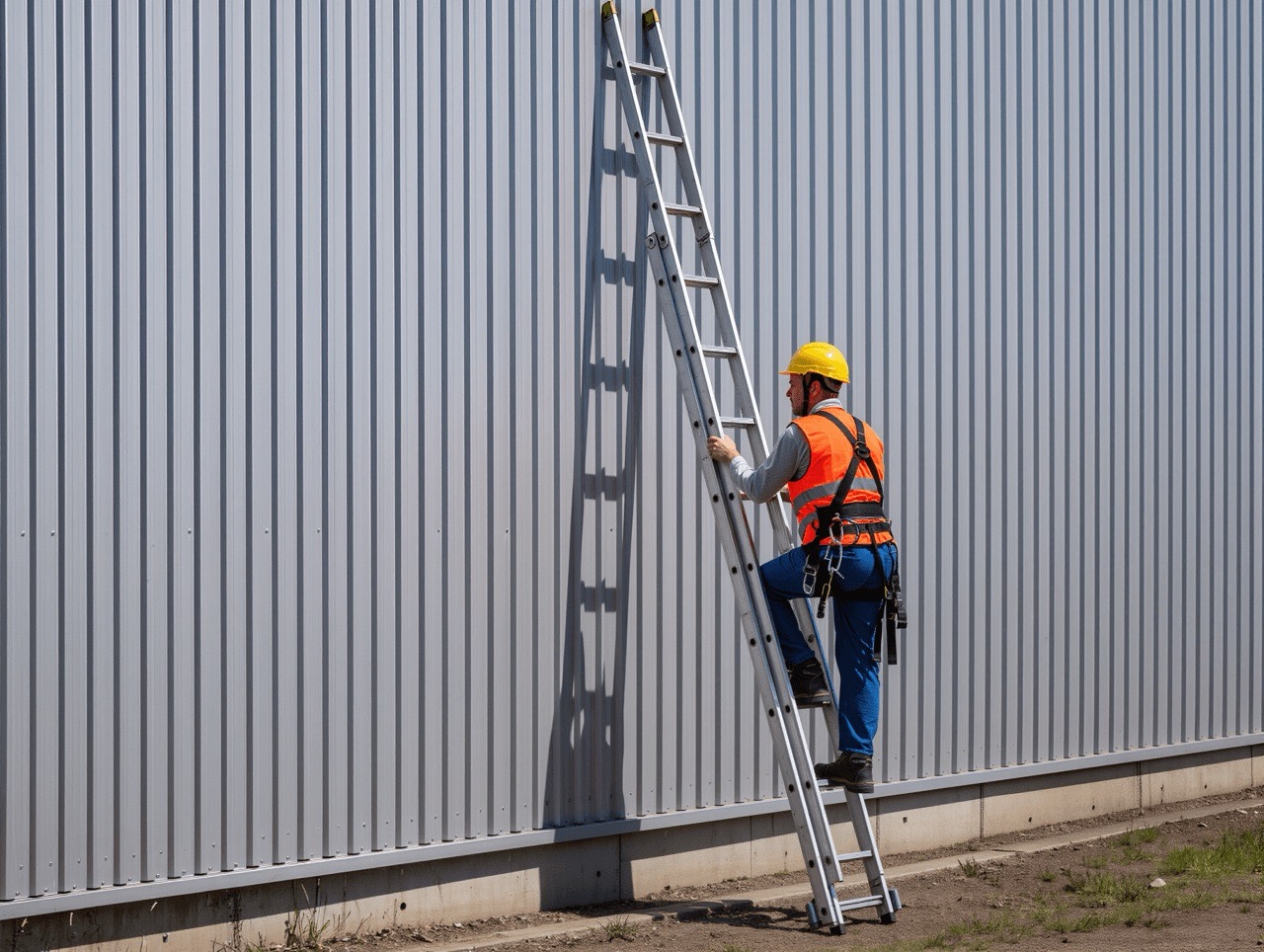
Use proper fall protection equipment for all elevated work. This includes harnesses, lanyards, and anchor points. All equipment must meet CSA standards.
Additionally, install guardrails on raised work areas. This adds extra protection.
For ladders, inspect before each use. Look for damage. Place them on stable ground. Keep three points of contact while climbing.
Furthermore, only trained workers should handle scaffolding. Inspect it daily before use.
2. Struck-by Incidents
Being hit by objects or equipment causes many injuries. Dropped tools fall on workers. Materials slip from height. Vehicles collide with people.
How to Prevent Struck-by Injuries
First, enforce hard hat rules everywhere. This prevents head injuries.
Next, secure tools and materials at height. Mark exclusion zones below overhead work. Moreover, never work under active overhead tasks.
To reduce vehicle accidents, separate walkways from vehicle routes. Additionally, use spotters when operators can’t see well. Finally, require bright clothing near moving equipment.
3. Strains and Sprains
Overexertion hurts muscles and tendons. Wrong lifting causes it. So do repetitive motions and awkward positions.
These injuries seem minor at first. However, they lead to chronic pain. Some cause permanent disability.
How to Prevent Strains
Train workers on proper lifting. Bend at the knees. Keep loads close. Ask for help with heavy items.
Furthermore, use mechanical aids. Hoists and dollies reduce strain. Use them whenever possible.
Rotate job tasks throughout the day. This prevents repetitive strain. In addition, schedule stretch breaks. Stretching prepares muscles for work.
4. Cuts and Lacerations
Sharp tools create constant hazards. Power tools, hand tools, and metal edges all cut. Deep cuts cause blood loss. They damage nerves. They also risk infection.
How to Prevent Cuts
Require cut-resistant gloves for sharp materials. Additionally, require safety glasses with side shields. These protect against debris.
Make sure cutting tools have guards. Follow manufacturer instructions. Moreover, maintain tools regularly.
Dull blades are dangerous. They slip easily. Replace them quickly. Also, remove damaged tools from service immediately.
Store sharp tools properly. Never leave them in walkways.
5. Electrical Injuries
Electrical hazards are deadly. Live wires cause burns and heart problems. Arc flashes kill. Workers fall from electrical shock.
Temporary power and damaged cords increase risks.
How to Prevent Electrical Injuries
Use lockout/tagout for all electrical work. This cuts power before work begins. Furthermore, only licensed electricians should do electrical work.
GFCIs are essential. Use them with all temporary power tools. They prevent shocks.
Check cords daily. Look for exposed wires and damage. Remove bad equipment immediately.
Additionally, stay away from overhead power lines. Always treat wires as live.
Why On-Site First Aid Matters
Injuries still happen despite prevention. Qualified first aid attendants provide fast responses. This stops minor injuries from becoming emergencies.
WorkSafeBC requires specific first aid coverage. Requirements depend on worker count and work type. Compliance protects your workers. It’s not just about rules.
Conclusion
Construction safety needs constant attention. Understanding these five injuries helps you prevent them.
Follow these guidelines. Create a safer workplace. Protect your crew. Reduce incidents.
Hold regular safety meetings. Provide ongoing training. Build a strong safety culture. When injuries occur, proper first aid makes the difference.
2 Responses
Very informative. I appreciate the effort.
Hi Liam, thanks very much!