
Winter First Aid on BC and Alberta Job Sites: What Changes
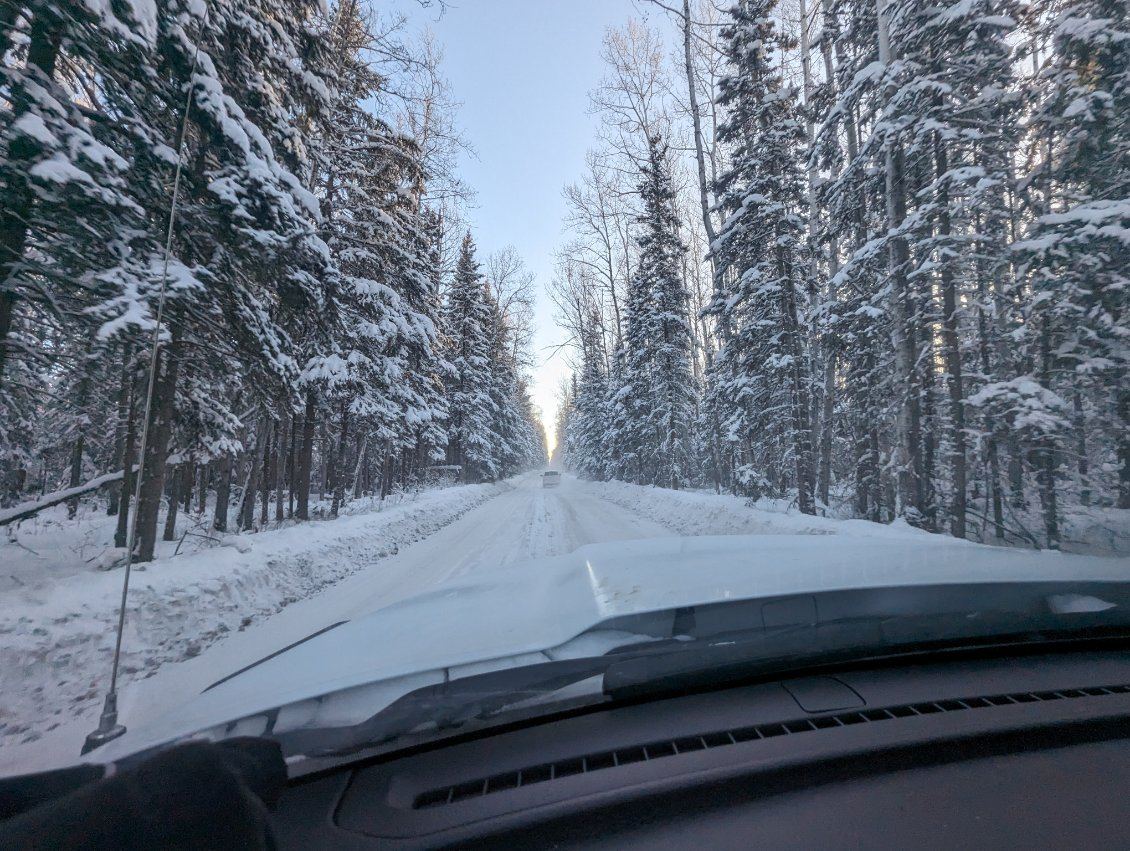
Fire season is done. Winter changes how people get hurt on site and how long help takes to arrive. Here is what to check before the cold sets in.
The Summerland cleanup carried us to the end of fire season. Crews still working outside in BC and Alberta through the winter face a different problem.
What changes in winter
- Cold stress. Hypothermia builds slowly and is easy to miss; frostbite can be slow too, but once the wind chill drops, exposed skin can freeze in minutes. Early signs are shivering, grogginess and poor judgment; slurred speech and poor coordination mean a medical emergency.
- Ice and frost. Early-morning and shaded frost is easy to miss on the walk-around because it is not there most days.
- Dark. Short daylight means more work under lights and more equipment moves in poor visibility.
- Slower emergency response. A site inside the ambulance window in August may not be in January.
- Heaters and carbon monoxide. Enclosed heated spaces with engines or fuel-burning heaters can reach dangerous CO levels quickly. Headache and nausea come first.
What the regulations ask of employers in winter
In BC, the OHS Regulation’s cold-exposure sections (7.33 to 7.38) apply wherever workers may face cold stress. Short version: assess the cold hazard and have a control plan, have a heated shelter close by once the equivalent chill temperature drops below -7°C (the ACGIH cooling-power table WorkSafeBC uses, not the weather-app wind chill), and pull anyone showing signs of cold stress off the job to the first aid attendant (or a doctor if there is no attendant).
Section 3.16 (see our post on WorkSafeBC first aid requirements) requires the first aid assessment to cover barriers to first aid and transport time to treatment, and to be reviewed after any significant change. WorkSafeBC’s guideline says that includes road or weather conditions that could keep the ambulance out or keep air transport from flying. The first snowfall on the access road can reopen it.
Alberta’s OHS Code has no cold-work section. The duty sits in the general obligation and the Part 2 hazard assessment, which the province says to review before winter, alongside the site’s close, distant or isolated rating. What it does spell out is transport. Under section 180, before workers are sent to a site the prime contractor (or the employer, if there is none) must have a plan in place to get an ill or injured worker to the nearest health care facility: suited to the distance and the injuries likely on that site, with protection from the weather, a vehicle readily available that can carry a stretcher and an accompanying person, and a way to communicate with the receiving facility. If the worker needs to be accompanied, at least one first aider goes with them in addition to the driver (section 180(3)), unless three or fewer workers are on site. Winter is exactly when that plan gets tested.
What helps on site
A heated place to treat people. Someone with cold stress needs to be out of the wind, warming up where an attendant can treat them and keep an eye on them, not in the cab of a pickup. That is the job a heated Mobile Treatment Centre parked close to the work does.
A medic who catches cold injury early. First aid for cold injury is mostly about what not to do. Frostbite: never rub the area, no direct heat, and do not thaw it if it could refreeze before evacuation. Hypothermia: never rub the skin and never rewarm fast (no heat lamps, stoves or hot baths); warm the core gently with warm, not hot, packs wrapped in cloth. A trained attendant makes the warm-up-or-transport call on the spot.
An evacuation plan that assumes slower roads. “Remote” in BC means an ambulance cannot reach the site from its station within 30 minutes, measured under normal travel conditions, so winter only makes the real number worse. If the plan leans on air evacuation, WorkSafeBC’s guideline says to have a land alternative wherever practicable, for the days nothing flies. Our post on remote medic services in northern Alberta covers what winter roads do to that plan.
Winter checklist for site supervisors
- Review the first aid assessment with winter travel times and access in mind.
- Confirm the heated shelter: where it is, how far the crew walks, and that it is warm before the shift.
- Set a work/warm-up schedule and a buddy system, and brief the crew on the early signs of hypothermia.
- Test CO detectors in every enclosed heated space before the first cold snap; prefer electric heat where available.
- Sand and light the walkways, check shaded areas for frost, and schedule big equipment moves for full daylight.
- Winterize the vehicles. BC’s winter tire and chain rules run October 1 to April 30 on most routes; carry a survival kit.
- Run a first aid drill in winter conditions. BC requires one at least yearly and whenever procedures change (OHS Regulation 3.17(4)); Alberta does not, but a drill is still the cheapest way to find out whether the plan works.
We have medics and Mobile Treatment Centre units available for winter work across BC and Alberta. Give us a call or request a quote.
───
Vital Safety Inc. — Safeguarding Lives, Supporting Industry